
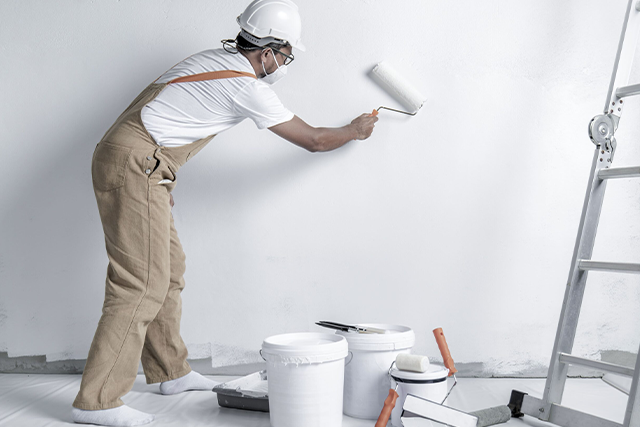
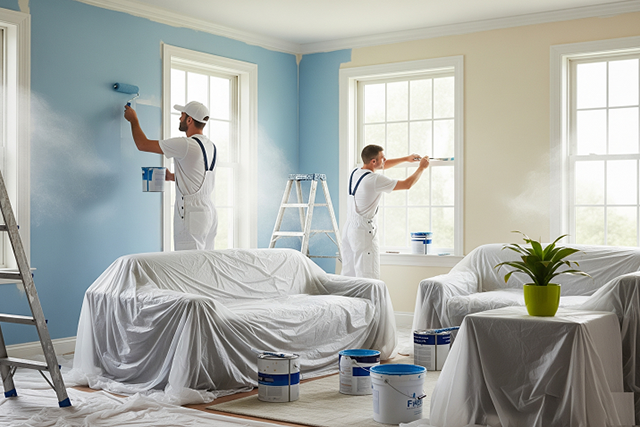
Scuffed walls, faded color, patched spots, and uneven finishes can make a room feel older. Small surface problems also become more visible once light hits the walls. We correct those issues before fresh paint goes on, helping the finished room look consistent from one wall to the next.
For homes that need interior painting in Chelmsford, MA, we first check walls, ceilings, trim, and corners. This helps us identify peeling areas, dents, nail holes, and loose material that can affect paint adhesion. Our experience with interior work helps us choose preparation steps instead of covering problems that may show through later.
Our interior painting contractor work can include surface preparation, drywall repair, sanding, priming, cutting in, rolling, and coating around doors, windows, and baseboards. We also protect floors, furniture, and fixtures from drips and dust before painting starts.
The work may include:
With more than 16 years in the painting profession, our interior painting services in Chelmsford, MA are supported by practical jobsite experience. Once the surface is ready, the next step is choosing a coating approach that fits how each room is used.
A busy kitchen, quiet bedroom, narrow hallway, and moisture-prone bathroom do not place the same demands on painted surfaces. Using one finish everywhere can lead to marks, difficult cleaning, or a look that does not suit the room. We consider how the space functions before deciding how the coating should perform.
We consider how each room is used before choosing the right coating approach. When homeowners are looking for the best interior painters in Chelmsford, MA, they can rely on our team to assess sheen, wall texture, lighting, trim, and nearby finishes before painting begins.
Our interior painters work with common interior coating types and apply them according to the surface. Matte and lower-sheen finishes can reduce glare on broad walls, while more washable finishes may suit areas that receive frequent contact. Trim and doors often need a finish that handles regular use better.
Important coating factors include:
Our reliable interior painting services in Chelmsford, MA give homeowners a clear process from coating choice through application. With the paint system decided, the final stage becomes organized room-by-room work and completion.
Interior projects can disrupt daily routines when rooms stay blocked, belongings remain covered, or work moves without a clear order. Poor coordination can also leave touch-ups unfinished. We organize the work so each room moves through its planned stages in a controlled sequence. As an interior painting contractor in Chelmsford, MA, we can handle painting along with many repair needs that should be completed before coating begins. Bravo Painting holds a general contractor license, full liability insurance, and workers’ compensation, giving homeowners useful business credentials when work includes more than paint.
People searching for interior painters near me may also need drywall repair, wood replacement, wallpaper removal, cabinet painting, or related interior updates. Because these needs can affect the painting schedule, we account for them before final coats are applied instead of treating them as later surprises.
Our project flow can cover:
For homeowners planning interior painting in Chelmsford, MA, our goal is to leave each painted space complete, usable, and consistent with the agreed scope. Bravo Painting can be reached at (978) 204-9745 for interior painting and related home repair needs.
We plan painting around room access and household use, helping reduce unnecessary disruption while our interior painting services in Chelmsford, MA move through each planned space.
We keep close control around outlets, switches, trim edges, ceiling lines, and built-in features so painted surfaces look clean without coating nearby materials.
We track paint colors and finishes by room, helping prevent shade mix-ups when a project includes several bedrooms, hallways, ceilings, or accent walls.
Interior paint usually feels dry within a few hours, but that does not always mean the coating has fully hardened. We normally allow the painted surface enough drying time before furniture, decorations, or other items return close to the wall. The exact timing depends on paint type, room temperature, humidity, ventilation, and how many coats were applied. Heavy furniture should not rub against newly painted walls because pressure can mark paint that still feels soft underneath. Bravo Painting plans room use around reasonable drying periods so freshly coated surfaces have time to settle properly. We also consider whether doors, trim, shelves, or other painted parts need extra time before regular contact resumes.
Paint can cover many visible stains, but the stained area usually needs the correct preparation first. Smoke residue, cooking grease, and similar marks can affect how primer and paint bond to the surface. We first check how severe the staining is and whether cleaning or stain-blocking primer is needed. Simply applying wall paint over the mark may allow discoloration to return through the new coating. Strong odors may also remain if the underlying surface is not treated correctly. During interior painting in Chelmsford, MA, we address the affected wall according to its condition before adding the finish coats. This approach helps reduce bleed-through and gives the new wall color a more even appearance.
Yes, interior painting can usually take place while a home remains occupied. We organize the work by room so residents can still use other parts of the house during the project. Furniture may need to move away from walls, while smaller belongings should be removed from the active work space. We also consider ventilation, drying time, pets, children, and normal household movement when planning the order of rooms. Some spaces may need temporary limits while paint is wet. Instead of opening several rooms at once, we can work through the planned areas in a practical sequence. This helps keep the painting work controlled while allowing the household to continue using unaffected rooms.
Wet paint often looks lighter, darker, or slightly different from its final dried color. As moisture leaves the coating, the color and sheen begin to settle. Lighting also changes how a painted wall appears throughout the day. Natural daylight, warm bulbs, cool bulbs, shadows, flooring, and nearby furniture can all affect how the eye reads a color. We judge the finish after the coating has had proper drying time instead of relying only on its appearance during application. A freshly painted patch may also look different until it dries at the same rate as the surrounding wall. This is why final color checks should happen after the paint has settled rather than immediately after rolling.
High walls require different access and application planning than standard-height rooms. We assess the wall height, ceiling line, stair openings, and nearby fixtures before starting. Extension poles, suitable ladders, and other access equipment may be needed to reach upper sections safely and keep the coating even. We also plan where tools and paint will be positioned so unnecessary movement across the room is reduced. Cutting along tall ceiling edges takes extra control because uneven lines become easier to notice from below. Our interior painters work through high sections in an organized order before completing lower wall areas. This helps maintain consistent coverage from the ceiling line down to the lower sections of the room.
Yes, walls with old wallpaper glue can often be painted, but leftover adhesive should not simply be covered with finish paint. Glue residue can create rough areas, weak bonding, or visible texture beneath the new coating. We first check whether adhesive remains after the wallpaper has been removed. The wall may need cleaning, smoothing, or another preparation step depending on how much residue is present. Any damaged drywall paper also needs proper treatment before coating begins. Applying paint directly over untreated adhesive can produce an uneven result later. Bravo Painting handles wallpaper removal as part of its listed services, which allows us to consider the wall condition that remains before interior paint is applied.
Roller marks can appear when paint dries unevenly, too little material reaches part of the wall, or one section begins drying before the next section connects with it. Roller type, pressure, paint amount, wall texture, and room temperature can also affect the appearance. We keep a steady application pattern and maintain enough wet paint while moving across the wall. This helps neighboring sections join before strong lap lines form. Some surfaces also absorb paint at different rates, especially where patches or repairs were made. Those areas may require preparation before the finish coat. Correct roller selection matters as well because different wall textures need different nap lengths to distribute paint effectively.
Newly painted walls should be given enough curing time before regular washing or scrubbing begins. Although paint may feel dry within hours, the coating continues hardening after that point. Cleaning too soon can leave shiny patches, smears, or marks in the finish. The safe waiting period depends on the paint product and room conditions. Once the coating has cured, we suggest using a soft cloth or sponge with gentle pressure instead of aggressive scrubbing. The wall finish also matters because flatter coatings generally show rubbing more easily than higher-sheen finishes. Following the coating manufacturer’s cure guidance helps protect the finished surface and allows homeowners to clean painted walls without damaging the new appearance.
I’m Gino, owner of Bravo Painting. For more than 16 years, I have worked with homeowners who want dependable help with painting, repairs, and property improvements.