
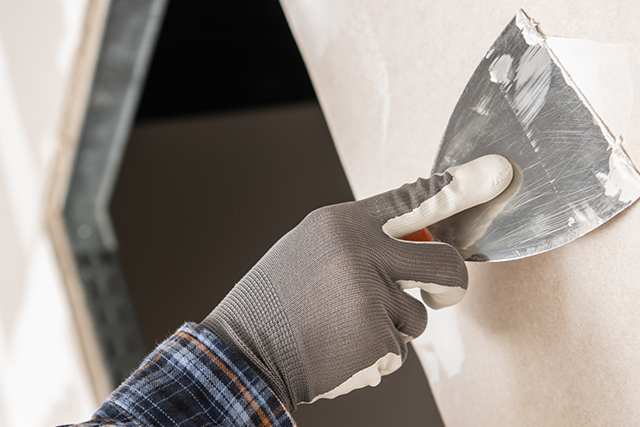
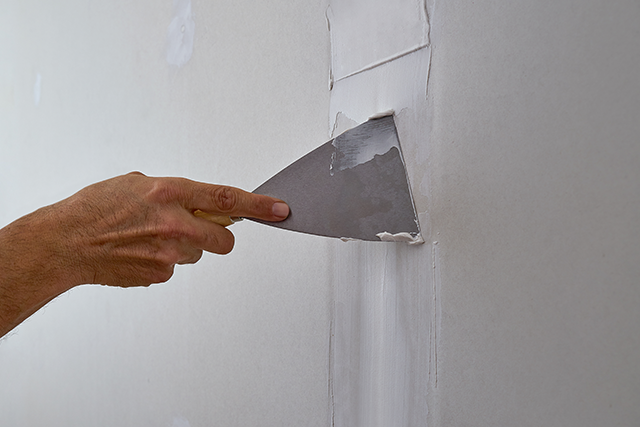
Cracks, dents, loose joint tape, and damaged wall sections can make a room feel unfinished. Small defects may also become more noticeable after paint is applied. We handle these problems by checking the affected area first and choosing a repair method that fits the type and size of damage.
At Bravo Painting, our drywall repair in Chelmsford, MA focuses on restoring damaged wall and ceiling areas so they are stable, even, and ready for the next finish. We look at the condition of the gypsum board, surrounding surface, seams, fasteners, and joint compound before beginning work. That assessment helps us avoid covering damage that needs a stronger repair.
Common drywall problems we can address include:
For smaller wall defects, our drywall patching process can repair the affected section without replacing a much larger area than necessary. The damaged material is prepared, filled or patched, and worked into the surrounding wall so the repaired section has a more consistent surface.
Larger damage requires a different approach. Through our drywall repair services in Chelmsford, MA, we can assess whether a section should be cut out and replaced rather than simply filled. This matters around deeper holes, weak board, or areas where the paper face has been badly torn.
Once the structural condition of the damaged section is addressed, the next concern is how the repaired area will behave under joint treatment and finishing.
A drywall repair can look acceptable at first but still fail later if the joints, fasteners, or surrounding board are not handled correctly. Raised screw heads, recurring seam lines, and weak patches often point to problems beneath the visible surface. We focus on those details before treating the wall as finished.
When homeowners look for the best drywall repair contractors in Lowell, we assess the drywall first, remove weak material when needed, and rebuild the affected section properly. Our team checks how firmly the surrounding board is secured and whether the repair requires new backing, replacement board, tape, or joint compound.
The repair method can involve several drywall-specific materials and steps:
Our approach to drywall repair depends on the depth and shape of the damaged area. A shallow dent may require filling and leveling, while a missing section can require a fitted drywall piece secured to solid support. Treating both problems the same way can leave a weak result.
With more than 16 years of industry experience, we provide expert drywall services in Chelmsford, MA to repair damaged walls, correct surface issues, and prepare drywall for a clean, even finish. We also hold a general contractor license, full liability insurance, and workers’ compensation coverage.
Even a firmly repaired wall can show visible ridges, rough compound edges, or uneven texture once light reaches the surface. This stage calls for careful leveling rather than adding more material without purpose. We work the repaired area so it connects naturally with the surrounding drywall.
By hiring a drywall contractor in Chelmsford, MA, homeowners can have damaged wall sections evaluated according to their actual condition instead of relying on temporary fillers. Our process considers the face paper, board thickness, surrounding texture, corner condition, and the width of the repaired joint.
Before a repaired surface is considered ready, several details deserve attention:
As a drywall contractor, we understand that surface preparation affects what homeowners see after the repair is complete. High spots may cast shadows, while low areas can remain visible under certain lighting. We therefore check the repaired section from different angles and correct obvious surface changes before moving forward.
Our drywall repair in Chelmsford, MA also gives homeowners one company to call when damaged drywall needs proper correction before a painting project. Bravo Painting already provides drywall repair as part of its home repair capabilities, which helps keep this work connected to the condition of the surface rather than treating the wall as an isolated cosmetic issue.
We remove only the damaged drywall section needed, helping protect nearby wall areas while giving replacement board a solid opening for a secure fit.
Our drywall repair services in Chelmsford, MA include careful seam treatment that reduces visible joint lines and helps repaired sections connect evenly with surrounding drywall.
We work to match the existing wall texture after repairs, helping patched areas look consistent with nearby surfaces instead of standing out after finishing.
Soft drywall usually means the gypsum core has lost strength from moisture, repeated impact, or pressure behind the board. A soft section should be checked before compound or paint is applied because surface materials cannot restore weakened drywall underneath. We inspect the affected section to determine how far the damage extends and whether removal is needed. If the board has lost its firmness, we cut away the weak material and install suitable replacement drywall where required. Bravo Painting focuses on correcting the damaged board itself rather than hiding the soft area with filler. This approach gives the repaired section proper support and helps prevent the weakened portion from breaking apart when the wall is touched, drilled, painted, or used again.
Yes. Drywall can usually be repaired after the plumbing leak has been fully stopped and the affected area has dried. The important step is confirming that trapped moisture is no longer present before closing the wall. Damp gypsum board can lose strength, swell, stain, or support mold growth if it remains enclosed. We first assess the condition of the damaged material and determine whether it can stay or should be removed. During drywall repair in Chelmsford, MA, we can replace sections that have become soft, warped, or badly stained after water exposure. Once stable drywall is in place, the repaired area can move through joint treatment and surface preparation. Repairing only after the moisture source is resolved helps protect the new section from the same damage.
Bubbling often happens when joint tape does not bond correctly with the compound beneath it. Air pockets, dry areas, dust, or poor compound coverage can keep the tape from sitting flat against the drywall joint. We correct this by identifying the loose section instead of simply spreading another coat over the bubble. The affected tape may need to be opened, removed, or reset depending on its condition. Fresh compound must make proper contact with the tape and surrounding drywall. After the area sets, later coats can widen the joint and reduce visible edges. Taking care of the bonding problem first matters because a bubble left under new compound can remain visible and may eventually crack, lift, or create an uneven section on the finished wall.
Yes. Drywall around electrical outlets can be repaired when broken edges, oversized openings, or damaged board leave gaps around the electrical box. The repair must leave the box accessible and should not cover electrical components that need to remain exposed. We assess how much drywall is missing and whether the surrounding board can support a patch. Small gaps may require controlled filling, while larger broken areas can need a fitted drywall piece secured around the opening. Our repair work keeps the outlet location and wall surface in mind so the finished section does not interfere with the cover plate. Proper sizing also matters because an opening that remains too large can leave visible gaps after the plate is installed, while a poorly fitted patch can weaken the nearby drywall.
Drywall corners receive more direct contact from furniture, moving items, vacuum handles, and everyday traffic, which makes them more likely to chip or dent. Many outside corners also contain corner bead beneath the compound, so damage can affect more than the visible surface. We check whether only the compound has broken away or whether the corner bead has bent, loosened, or separated from the drywall. Minor damage may need new compound and reshaping, while a damaged bead can require a more involved repair. Restoring the corner correctly helps maintain a straight edge instead of building up filler over a bent section. Bravo Painting treats the damaged corner according to its actual condition so the repair keeps its shape once the surface is finished.
Older homes can have drywall sections that meet previous repairs, plaster, uneven framing, or walls with several finish layers. These conditions can affect how a new patch fits into the existing surface. We inspect the wall construction before deciding how the damaged section should be repaired. Board thickness is especially important because replacement drywall that sits too far forward or backward can create a visible change across the wall. Existing texture and previous compound buildup can also influence the finishing method. Rather than assuming every wall uses the same materials, we adjust the repair around what is already present. This helps create a stable connection between the new section and the older wall without removing sound material that does not need replacement.
Yes. Drywall behind cabinets or built-in fixtures can be repaired when enough access is available to reach the damaged section safely. The repair method depends on how much of the wall is exposed and whether the cabinet or fixture blocks the area that needs replacement. We first determine where the damage starts and ends so unnecessary wall removal can be avoided. If the opening is limited, smaller fitted drywall sections may be used where proper backing and fastening are possible. Areas that will remain hidden still need stable board because weak drywall can affect fasteners, mounting points, and nearby finished sections. We focus on restoring the wall structure correctly rather than treating hidden drywall as less important simply because it will not remain visible after the fixture is returned.
Furniture can usually return near the wall after the repair materials have dried and the surface work is complete. Exact timing can vary because joint compound dries differently depending on coat thickness, room temperature, humidity, and airflow. We avoid placing pressure against a repaired section while compound is still soft because contact can dent the surface or disturb unfinished edges. Once the repair has hardened and any remaining surface preparation is finished, normal room use can resume. It is also useful to leave enough space for inspection before large furniture is moved back permanently. Keeping the area clear during drying allows the repaired section to set without accidental contact from tables, bed frames, shelving, or other heavy items positioned close to the wall.
I’m Gino, owner of Bravo Painting. For more than 16 years, I have worked with homeowners who want dependable help with painting, repairs, and property improvements.