
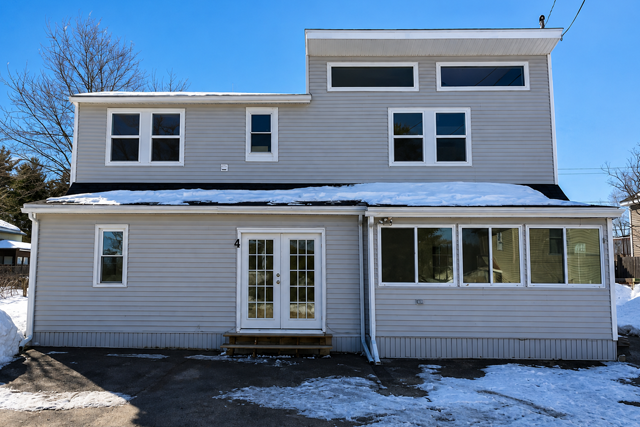
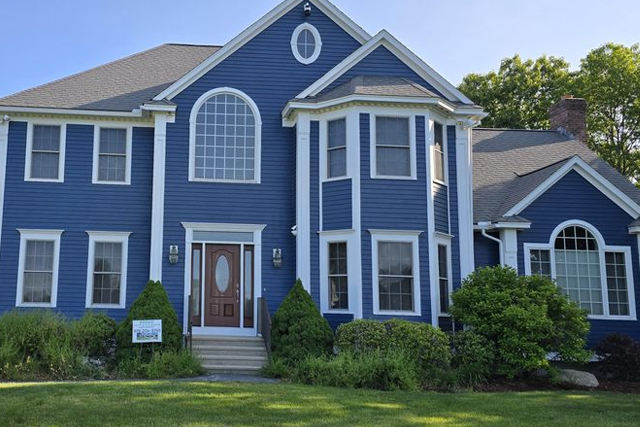
Peeling paint, faded siding, exposed wood, and cracked coatings can make a home look older than it is. More importantly, damaged paint can leave exterior surfaces open to moisture, sunlight, and changing weather. We help homeowners correct these problems before small surface issues become harder to manage.
At Bravo Painting, our exterior painting in Chelmsford, MA is focused on more than changing color. We look at the condition of siding, trim, fascia, soffits, doors, shutters, and other painted surfaces before coating begins. This helps us identify areas that may need cleaning, scraping, sanding, patching, or wood replacement.
Our exterior painters bring more than 16 years of painting experience to residential projects. We know that paint performs better when the surface underneath is sound and properly prepared. Bravo Painting also holds a general contractor license, full liability insurance, and workers’ compensation coverage.
Before paint is applied, several exterior details deserve close review:
Through our exterior painting services in Chelmsford, MA, we can handle painting along with many repair needs that may affect the finished result. Our home repair experience includes wood replacement and exterior carpentry, which means homeowners do not have to ignore weak material simply to keep a painting project moving. That preparation gives the new coating a stronger base. From there, the next priority is choosing and applying paint according to the surface and exposure it will face.
Once the exterior is ready, the coating itself becomes the focus. Different surfaces receive different levels of sun, rain, dirt, and daily wear. Using the same approach everywhere can lead to uneven appearance or early coating failure. We consider the material, existing finish, surface condition, and exposure before moving forward.
Our best exterior painters in Chelmsford, MA, help homeowners choose and apply exterior paint that looks clean while reducing the need for frequent upkeep. We support that goal by paying attention to coating compatibility, coverage, sheen, and the needs of each painted area. Wood trim may require a different approach than siding, while doors and other high-contact areas can have separate coating needs.
Our exterior painting work can include several important parts of the home:
Color also affects more than appearance. Strong sunlight can change how a shade looks during the day, while surrounding roofing, masonry, windows, and landscaping can influence the final result. We help keep these visible elements connected so the finished exterior feels consistent rather than pieced together.
With reliable exterior painting services in Chelmsford, MA, we also keep the scope clear before work progresses. Homeowners benefit from knowing which surfaces are included and which repairs may need separate attention. Good coating decisions support the prepared surface underneath. The final part is making sure the contractor can manage painting and related exterior needs without leaving important work unresolved.
Some painting projects reveal problems only after closer surface inspection. Soft wood around trim, worn boards, damaged exterior carpentry, or areas affected by long-term exposure may need attention before those sections can be coated correctly. Covering damaged material with paint does not correct the condition below it.
Working with an exterior painting contractor in Chelmsford, MA gives homeowners access to our broader home improvement background. Bravo Painting offers exterior carpentry, wood replacement, power washing, and other repair work that can support a painting project. Our general contractor license allows us to handle many needs that painting-only companies may not be licensed to perform.
This broader service range can help keep exterior work organized:
People searching for exterior painters near me may be comparing estimates, but the scope behind each estimate matters just as much as the price. We make it easier to understand what the project includes, especially where painting and repair work connect.
Our approach to exterior painting in Chelmsford, MA comes from years of working on real homes with different materials, coating conditions, and repair needs. We focus on doing the required work in the right order, so homeowners receive a finished exterior that looks cared for and is better prepared for continued exposure. Bravo Painting is available at (978) 204-9745 for homeowners planning exterior painting and related home repair work.
We plan painting around dry conditions, surface temperature, and curing needs, helping exterior coatings set properly instead of being rushed during poor weather.
Our exterior painting services in Chelmsford, MA include careful masking around windows, doors, fixtures, and trim so finished lines look controlled and consistent.
We watch coverage as each coat is applied, helping prevent thin spots, lap marks, heavy buildup, and uneven sheen across large exterior surfaces.
Early paint failure often appears as fading, chalky residue, small bubbles, hairline cracks, or areas that look dull compared with nearby surfaces. These changes can show that the coating is losing its ability to stay bonded or protect the material below. We inspect painted siding, trim, fascia, doors, and other coated areas to identify where the finish is starting to weaken. Bravo Painting can then explain which surfaces may still be stable and which sections need painting sooner. Acting before large sheets begin peeling can also reduce the amount of removal needed later. We focus on the actual condition of each painted surface rather than assuming every part of the exterior needs the same level of work.
Yes, exterior paint can often be applied during days with changing temperatures, but the coating must remain within the manufacturer's recommended temperature range while it dries. We consider morning temperature, afternoon heat, direct sunlight, shade, and overnight conditions before starting a section. Painting too early may leave a cold or damp surface, while painting a hot wall under strong sun can cause paint to dry too quickly. During exterior painting in Chelmsford, MA, we plan the order of exterior surfaces around daily conditions instead of treating every side of the house the same. This allows us to choose more suitable working periods for siding, trim, doors, and other coated areas while giving the paint enough time to form properly.
Visible brush or roller marks usually develop when paint starts drying before it can level, when too much pressure is used, or when sections are worked again after they begin setting. Direct sun, wind, and high surface temperature can also shorten working time. We control the amount of coating placed on the surface and keep a consistent application pattern across each section. Large walls require steady progress so adjoining areas stay wet enough to connect without obvious lap lines. We also select application methods according to the exterior material and surface shape. The goal is not simply to cover the wall. We manage the coating while it is still workable so the dried finish appears even across broad siding areas and smaller painted details.
The right sheen depends on the surface, how visible imperfections are, and how much cleaning the area may receive. Lower-sheen finishes can make minor surface flaws less noticeable, while higher-sheen coatings usually reflect more light and may make uneven areas easier to see. We look at siding, trim, doors, shutters, and other exterior features separately because one sheen may not suit every surface. Trim and doors may benefit from a finish that stands apart from broad wall areas, while siding often needs a more balanced appearance. We also consider how sunlight reaches each side of the property. Bravo Painting helps homeowners choose sheen based on the actual exterior material and use rather than relying only on how a sample looks indoors.
Different sides of a home receive different levels of sunlight, heat, wind, rain, and shade, so exterior paint rarely ages at exactly the same rate everywhere. Walls that receive long hours of direct sun may lose color faster, while shaded surfaces can stay damp longer after rain. We evaluate each elevation separately when looking at coating condition. This helps us identify why one section may appear lighter, duller, or more worn than another even when all sides were painted at the same time. Color choice can also affect how noticeable fading becomes. By considering exposure patterns before painting, we can plan coating work around the real conditions each wall faces instead of assuming the entire building experiences equal weather stress.
Bubbles can form when moisture, trapped air, or heat creates pressure beneath a painted film. They may also appear when paint is applied over a damp surface or when strong sunlight heats the coating soon after application. We first look at where the bubbles appear because their location can provide useful clues. A few isolated bubbles may have a different cause from widespread blistering across one wall. Simply coating over raised areas can hide the problem for a short time without correcting why it developed. We remove unstable material as needed and assess the surface below before new coating work proceeds. Understanding the source matters because new paint performs best when the surface beneath it is dry, stable, and suitable for another coating.
No, every exterior surface does not automatically need the same number of coats. Coverage depends on the existing color, new color, surface porosity, coating type, previous finish, and condition of the material. A strong color change may require more coverage than repainting with a similar shade. Bare or highly absorbent areas can also behave differently from previously coated surfaces. We judge coverage by how the coating is performing instead of following one fixed coat count for every part of the house. Areas such as siding, trim, doors, and repaired sections may have different needs. Our goal is to build enough coating for even color and consistent appearance without applying unnecessary material that could create heavy buildup on detailed exterior features.
Drying time before rain depends on the paint product, air temperature, humidity, surface temperature, airflow, and how heavily the coating was applied. Some coatings become rain-resistant sooner than others, so one fixed number of hours does not apply to every project. We check the product requirements and weather window before coating an exterior section. High humidity and cool temperatures can slow drying even when the surface feels dry to the touch. Strong wind or heat may make the surface feel dry quickly while deeper parts of the coating are still curing. We schedule painting so freshly coated areas have a suitable dry period before expected rain. This reduces the chance of water marks, streaking, soft coating, or washed areas.
I’m Gino, owner of Bravo Painting. For more than 16 years, I have worked with homeowners who want dependable help with painting, repairs, and property improvements.