
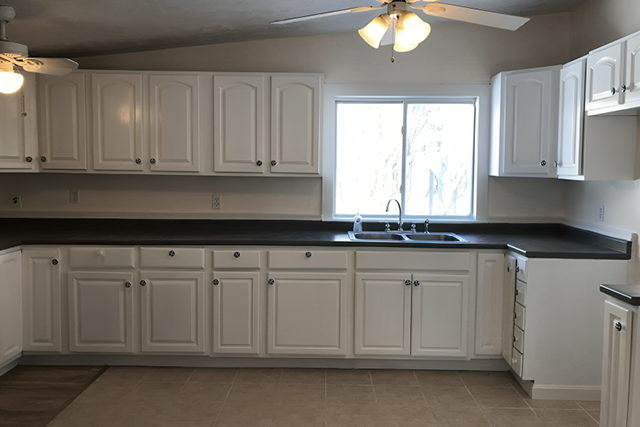
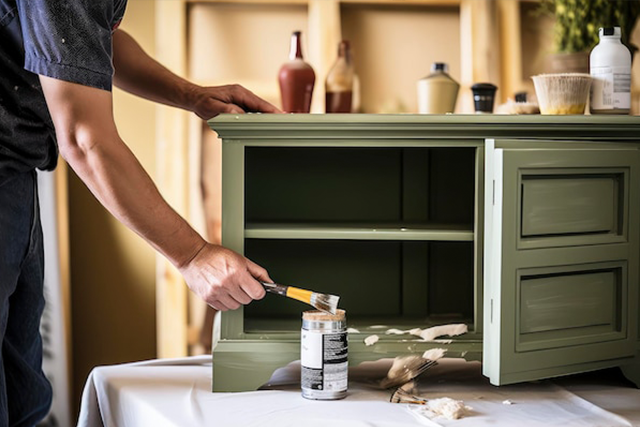
Cabinet doors can start showing greasy marks, faded color, chipped coating, and dark wear around handles long before the cabinet boxes need replacement. In busy kitchens, these small problems can make the whole room feel older and harder to keep looking clean. Many Lowell homeowners also want a different cabinet color without paying for a full cabinet replacement. We provide cabinet painting in Chelmsford, MA for homeowners who want to update existing cabinets while keeping usable doors, drawers, frames, and boxes in place.
Before coating begins, we look at the cabinet material, current finish, damaged areas, hardware, and overall surface condition. This helps us choose a preparation method suited to the actual cabinets rather than treating every kitchen the same. As an experienced cabinet painting contractor, we focus on the steps that affect how paint bonds and how the finished cabinets handle normal kitchen use.
Our cabinet work may involve several surface-specific steps:
With our cabinet painting services in Chelmsford, MA, we prepare each cabinet surface before applying primer and paint. Our process helps the new coating bond properly and hold up better during regular kitchen use. Bravo Painting brings more than 16 years of painting experience to residential projects. We also hold a general contractor license, full liability insurance, and workers’ compensation coverage.
Once the surfaces are prepared correctly, the next concern becomes choosing coating methods that suit cabinet materials and everyday handling.
Cabinets are touched, opened, closed, wiped, and exposed to cooking moisture every day. That repeated contact creates different coating demands than a standard wall. Oak grain may remain visible after painting, MDF edges can react differently to moisture, and previously coated wood may need added preparation before another finish is applied.
Our approach to cabinet painting starts with understanding those differences. We inspect doors, drawer fronts, face frames, end panels, shelving edges, and other exposed parts before deciding how the coating process should move forward. This gives homeowners a clearer idea of what can be painted and which areas may require extra surface work.
Our team of the best cabinet painters in Chelmsford, MA, focuses on more than changing the cabinet color. We coat corners, door profiles, recessed panels, flat faces, and visible grain carefully so the finished cabinets look consistent from one section to the next.
Several cabinet attributes can influence the painting process:
With our professional cabinet painting services in Chelmsford, MA, we keep these material differences in mind throughout preparation and coating. We also consider sheen because satin, semi-gloss, and other cabinet-friendly finishes can affect both appearance and cleaning. After the coating system is selected, the project still needs careful handling during application, drying, reassembly, and final use.
Freshly coated cabinets can be damaged when doors are handled too soon, hardware is installed before the finish has settled, or painted parts rub against one another during reassembly. Uneven door spacing and poorly positioned hinges can also make a completed kitchen feel unfinished even when the color looks good.
Homeowners searching for cabinet painters near me often need a crew that can manage the full painting sequence instead of leaving them with loose doors, removed hardware, or confusion about what happens next. Our work stays focused on keeping each stage organized from coating through reinstallation.
Our cabinet painting services can include practical project steps such as:
We keep each stage of the project organized, and with our cabinet painting in Chelmsford, MA, doors, drawers, and hardware are carefully managed while newly painted surfaces are protected during reassembly. Our cabinet painters also understand that cabinet color affects more than the doors themselves. Wall color, countertops, backsplash materials, flooring, natural light, and hardware finish can all change how a cabinet shade looks once it is installed in the room.
Bravo Painting includes cabinet painting among its established residential painting services, supported by more than 16 years of painting experience. Call (978) 204-9745 to discuss your cabinet painting project.
We label cabinet doors and drawer fronts before removal, helping each piece return to its correct opening after our cabinet painting services in Chelmsford, MA are complete.
We carefully coat door edges, corners, grooves, and recessed profiles so these smaller cabinet areas receive proper coverage without heavy paint buildup or missed sections.
We keep hinges, pulls, knobs, and mounting pieces organized during cabinet painting, reducing misplaced parts and helping reassembly stay orderly after painted components are ready.
Painted cabinets usually need more time to fully cure than they need to feel dry to the touch. We explain the expected curing period based on the coating used and advise homeowners to handle doors and drawers gently during that time. Heavy wiping, slamming doors, or placing strong cleaners on fresh paint too early can affect the finish. Light use may be possible sooner, but full hardness develops gradually. Our cabinet painting process includes guidance on when hardware, shelves, and painted surfaces can return to regular use. Following the curing instructions helps the coating resist marks from fingers, cookware, and repeated opening. Proper curing is especially important around cabinet handles and door edges because these areas receive frequent contact.
Yes, cabinets with peeling paint can often be repainted, but loose coating must be dealt with first. We inspect how much of the existing finish has failed and whether the problem is limited to a few spots or spread across several doors. Peeling sections cannot simply be covered because unstable paint underneath can continue separating. We remove loose material, smooth the affected edges, and prepare the exposed surface before applying suitable primer. If the existing coating has poor adhesion across most of the cabinet, more preparation may be needed. Bravo Painting evaluates the cabinet condition before coating begins so homeowners know what type of surface work is required. This helps the new finish start on a more stable base.
Cabinet paint can change the color of wood, but strong grain may still remain visible through the finished coating. Woods such as oak often have deeper grain patterns that do not disappear simply because paint is applied. We explain the expected appearance before work begins so homeowners can choose between keeping some natural texture or requesting added grain-filling preparation. Filling grain involves extra surface work because the pores must be reduced before primer and paint are applied. Even with filling, very deep grain may still leave slight texture under certain lighting. Our approach depends on the cabinet wood, desired finish, and amount of grain reduction requested. This allows the finished cabinets to match the appearance the homeowner expects more closely.
In many cases, cabinet contents can remain inside if the boxes are being painted mainly on their exterior faces. However, we may recommend removing items near exposed edges, open shelving, or areas where masking and coating work will take place. Keeping food, dishes, and small appliances away from active work areas also makes the painting process easier to manage. For projects involving cabinet interiors or shelves, the contents must be removed before those sections can be coated. During cabinet painting in Chelmsford, MA, we explain which storage areas need clearing before work starts rather than asking homeowners to empty unnecessary sections. This keeps preparation practical while giving our painters proper access to every cabinet surface included in the project.
Paint can crack around cabinet door joints because wood parts naturally move slightly as temperature and indoor moisture levels change. This movement is often most noticeable where rails, stiles, and panel sections meet. A painted coating may show a fine line at these joints even when the surrounding surface remains intact. We examine existing joints before painting and explain where natural movement may affect the finished appearance. Filling every joint heavily is not always the right approach because some cabinet construction is designed to allow small amounts of movement. Our cabinet painting work focuses on preparing stable surfaces while respecting how each door is built. Understanding these joints helps homeowners tell the difference between normal wood movement and coating failure.
Yes, cabinet finishes can slowly change color because of sunlight, cooking residue, heat, smoke, cleaning products, and normal aging. White and other light shades may show these changes sooner than deeper colors. We help homeowners consider where direct sunlight reaches cabinet doors and which sections sit close to cooking areas before a finish is selected. The coating type also affects how well the color holds under regular household conditions. Using cleaners that are too strong can dull or alter painted surfaces over time. Bravo Painting gives homeowners practical care guidance after the project so the painted finish can be maintained correctly. Regular gentle cleaning also helps prevent grease and residue from creating uneven color across frequently used cabinet sections.
Older cabinets can be good candidates for painting when their boxes, doors, and main structural parts remain usable. Age alone does not determine whether painting makes sense. We look for loose joints, badly swollen material, broken panels, severe water damage, and other conditions that may affect the finished result. Cabinets that are still sound can often receive a major appearance change through proper surface preparation and coating. However, painting cannot correct every structural problem hidden beneath the finish. We separate cosmetic coating needs from cabinet damage so homeowners understand what painting can realistically improve. This assessment is especially useful with older wood cabinets that may have several previous coatings, worn clear finishes, or repaired sections that need different preparation before new paint is applied.
Sticky cabinet paint can result from incomplete curing, overly thick coats, unsuitable coating products, high indoor humidity, or surfaces that were not properly cleaned before painting. Cabinet doors are especially sensitive because painted edges may touch frames when they close. We avoid treating surface dryness as full curing and allow suitable time between coating stages. Proper film thickness also matters because heavy layers can remain soft beneath the surface longer than expected. If a painted cabinet already feels sticky, the cause should be identified before another product is applied over it. Our cabinet painting process considers drying conditions, product requirements, and contact areas between doors and frames. These factors help reduce sticking, blocking, and unwanted marks after cabinets return to regular use.
I’m Gino, owner of Bravo Painting. For more than 16 years, I have worked with homeowners who want dependable help with painting, repairs, and property improvements.