

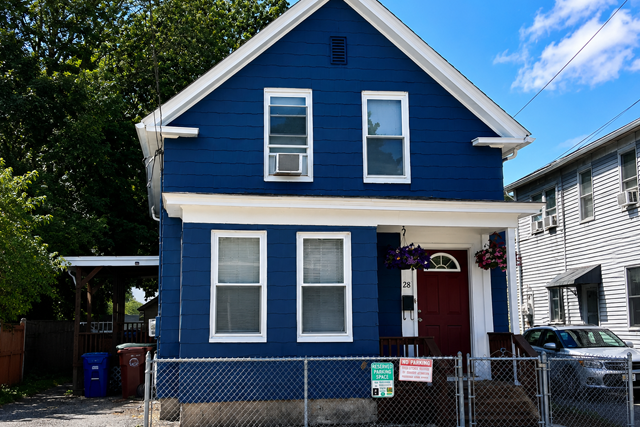
Peeling paint, uneven wall color, cracks, and old coatings can make a home feel poorly maintained. Covering these problems without fixing the surface first often leads to early peeling, rough spots, and visible marks. We focus on what the surface needs before fresh paint goes on.
At Bravo Painting, our painting services in Chelmsford, MA cover more than applying a new color. We inspect walls, ceilings, trim, doors, and other painted surfaces before starting. Our preparation may involve sanding rough areas, filling small holes, repairing damaged drywall, removing loose paint, and preparing wood that needs extra care. Good preparation gives the new coating a stronger base. It also helps the finish look even across corners, edges, repaired areas, and larger wall sections.
Our work can include important steps such as:
Homeowners also need a painting contractor who understands when repairs must happen before paint. Bravo Painting has over 16 years of painting experience and also handles several home repair needs. We hold a general contractor license and carry liability insurance and workers’ compensation.
Those practical qualifications matter because damaged wood, drywall, or other surfaces may affect the final result. When homeowners are looking for the best painters in Chelmsford, MA, we provide clear guidance on paint choices, finishes, and application methods so each surface gets the right treatment. Once the surface is ready, the next priority is choosing the right process for the room, material, and condition.
Different surfaces cannot always be treated the same way. Drywall absorbs paint differently from wood, while cabinets, doors, trim, and previously coated surfaces may need their own preparation methods. Using the wrong approach can lead to poor coverage, visible brush marks, or paint that does not bond correctly.
That is why our best painting services in Chelmsford, MA are planned around the material being painted and its current condition. We consider existing coatings, surface wear, repairs, primer needs, paint type, and finish level before moving forward.
Our painting services can support several parts of a residential project without forcing homeowners to coordinate unrelated work separately. We offer painting along with drywall repair, carpentry, wallpaper removal, cabinet painting, power washing, exterior carpentry, and window replacement.
Depending on the property, the work may involve:
For homes with cracked drywall, worn wood, or other surface damage, our painting contractor in Chelmsford, MA can complete the needed repairs before fresh paint is applied. This approach also helps homeowners make practical choices about where paint will improve the property and where repair work should take priority. After those decisions are made, the project can move clearly into the two main painting areas inside and outside the home.
Indoor and outdoor surfaces face very different conditions. Interior walls deal with fingerprints, furniture contact, moisture, cooking residue, and daily use. Exterior surfaces face sunlight, rain, temperature changes, dirt, and moisture around wood or siding.
Through our painting services in Chelmsford, MA, we handle these different conditions with methods that fit the location of the surface. The goal is to use the right preparation and coating process rather than treating every part of the property alike.
Our interior painting work can cover walls, ceilings, trim, doors, cabinets, and other suitable indoor surfaces. We prepare each area based on its condition so repaired patches, previous colors, and worn sections receive the right treatment before coating.
Interior projects may include:
Our exterior painting work focuses on surfaces exposed to weather and changing outdoor conditions. Preparation may involve cleaning, scraping loose coatings, sanding affected areas, checking exterior wood, and completing suitable carpentry work before paint is applied.
Bravo Painting has built its service around painting and the related repair work that often comes with it. Homeowners can speak with our team at (978) 204-9745 to discuss the condition of their property, the surfaces involved, and the painting work they need completed.
We keep edges around ceilings, trim, doors, and corners controlled so each painted area looks clearly defined without uneven borders or messy overlap.
As the best painters in Chelmsford, MA, we choose coating types based on surface use, room conditions, and expected wear rather than treating every painted surface the same.
We build even coverage across walls and painted surfaces, checking for thin areas, missed spots, roller marks, and visible changes before completing the job.
Most walls need one or two coats, but the exact number depends on the existing color, new color, paint condition, and surface underneath. A major color change often needs more coverage than repainting a similar shade. Dark colors covered with lighter paint can also require extra coats. We check how evenly the first coat covers before deciding whether another coat is needed. Thick application is not a good replacement for proper coating because it can create runs and longer drying times. The goal is an even color and finish across the full wall. We also account for patched sections and areas with different absorption rates because these spots can affect how the final coat appears after drying.
Fresh paint can look lighter, darker, or shinier while it is still wet because moisture affects its appearance. As the coating dries, the true color and sheen become easier to judge. Lighting also plays a major role. Natural daylight, warm bulbs, and cool bulbs can make the same painted wall look different during the day. We allow painted areas to dry before judging final color consistency. Surface texture can also change how light reflects from the coating. A smooth section may appear slightly different from a textured area even with the same paint. For this reason, we look at the finished surface under normal room lighting rather than judging the result while the paint is still wet.
Satin and eggshell finishes often work well in frequently used rooms because they offer more washability than flat paint while avoiding a very glossy appearance. The right finish still depends on the room and surface. We consider how often walls may be touched, cleaned, or exposed to moisture before selecting a sheen. Hallways, family rooms, and children’s rooms can benefit from finishes that handle regular wiping. Flat finishes can hide small surface flaws well but may show marks sooner in busy spaces. Semi-gloss is commonly considered for trim, doors, and other painted areas that receive regular contact. Our goal is to match the finish with how the painted surface will actually be used.
Rooms with little daylight usually need color choices that account for artificial lighting and surrounding surfaces. A paint chip may look very different once it covers an entire wall. We recommend viewing color samples inside the actual room before making the final choice. Warm bulbs may add yellow tones, while cooler lighting can make some colors appear more gray or blue. Furniture, flooring, cabinets, and trim can also affect how a wall color feels. Larger samples give a better idea than small swatches because they show how the color reacts across more of the wall. We encourage homeowners to check samples during different parts of the day before settling on a color they plan to see every day.
There is no fixed repainting schedule because wall wear varies by room and household use. Busy spaces may need repainting sooner due to scuffs, stains, fingerprints, fading, or repeated cleaning. Bedrooms and lower-use rooms can often keep their finish longer. At Bravo Painting, we look at the actual coating condition instead of recommending repainting simply because a certain number of years have passed. During painting services in Chelmsford, MA, we can identify areas where the finish has lost color, developed marks, or become harder to clean. Repainting at the right time can restore an even appearance without replacing finishes that still perform well. The decision should come from visible wear and how the room is used.
Shiny patches can appear when part of a painted wall gets rubbed or cleaned more often than surrounding areas. This effect is sometimes called burnishing. It is common on lower-sheen paints in hallways, around switches, behind furniture, and in other high-contact spots. Strong cleaning or repeated scrubbing can change the surface sheen even when the paint color remains the same. We consider both wall use and cleaning needs before choosing a finish for these areas. Touching up a shiny patch may also remain visible because the new paint has not aged like the surrounding coating. In some cases, repainting the full wall produces a more uniform appearance than applying paint only to the affected section.
Exterior paint can bubble when moisture, heat, or poor bonding causes the coating to separate from the surface below. Moisture may enter through exposed wood, failed joints, leaks, or other openings. Strong sunlight can also heat a damp surface and push moisture against the paint film. Simply covering the bubbles with another coat does not remove the cause. We first determine whether the affected coating has lost its bond and whether moisture may still be present. Loose material must be dealt with before repainting can hold properly. Bravo Painting considers the condition of the exterior surface before coating it again. Correcting the source helps reduce the chance of the same bubbling returning beneath fresh exterior paint.
Water stains can often be covered, but the source of the moisture must stop first. Painting directly over an active leak can cause staining, bubbling, or discoloration to return. Once the area is dry and stable, we check the stained surface and choose the proper coating steps. Some stains can bleed through ordinary wall paint, so a stain-blocking primer may be needed before the finish coat. The affected ceiling or wall also needs to be checked for damaged material. We do not treat a brown mark as only a color problem because moisture can affect the surface underneath. After the cause has been addressed, the right primer and finish coats can help return the area to an even painted appearance.
I’m Gino, owner of Bravo Painting. For more than 16 years, I have worked with homeowners who want dependable help with painting, repairs, and property improvements.